
TECHNICAL SEO
HTTP Status Codes Explained for SEO
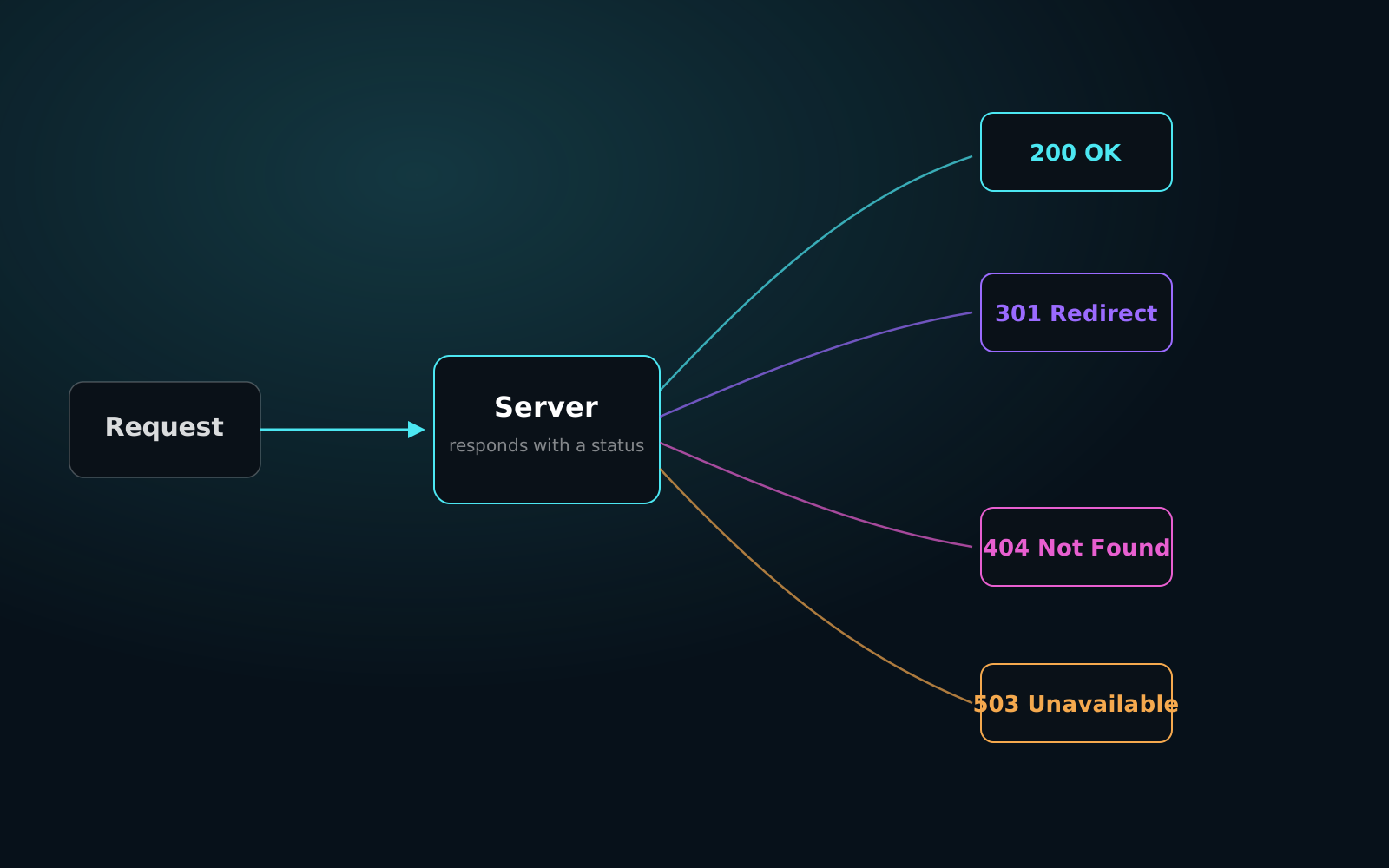
Every request a crawler makes to your site gets a status code back. Search engines read every one of them, and they shape how a site gets crawled and indexed — the flow below shows where each code fits.
Written & Reviewed by Vijayraj Nadar
Sep 24, 2026 • 7 min read
Key Takeaways
- 301 redirects pass ranking signal; 302 redirects largely don't — use them deliberately.
- Deleted content should return a real 404, not a disguised 200.
- Planned downtime should return a 503 to protect existing rankings during maintenance.
200: the page is fine
- The server found the page and returned it successfully
- The baseline you want for every URL you intend to rank
- No surprises, no redirects, no errors along the way
301 vs 302: redirects aren't interchangeable
- 301 = permanent move — passes most ranking signal to the new URL
- 302 = temporary move — search engines are far more cautious about transferring signal
- Using a 302 for a permanent change is a common mistake that can strand a page's rankings
404: expected, if it's honest
- A 404 means the page genuinely doesn't exist — that's fine for removed content
- A soft 404 (a not-found page that returns 200) confuses crawlers about what's actually available
503: the right way to go offline
- Tells search engines an outage is temporary and to check back later
- Protects existing rankings during planned maintenance
- Taking a site down with no 503 risks pages being dropped from the index